Summer corporate retreats in Italy: securing privacy in Sardinia and Puglia
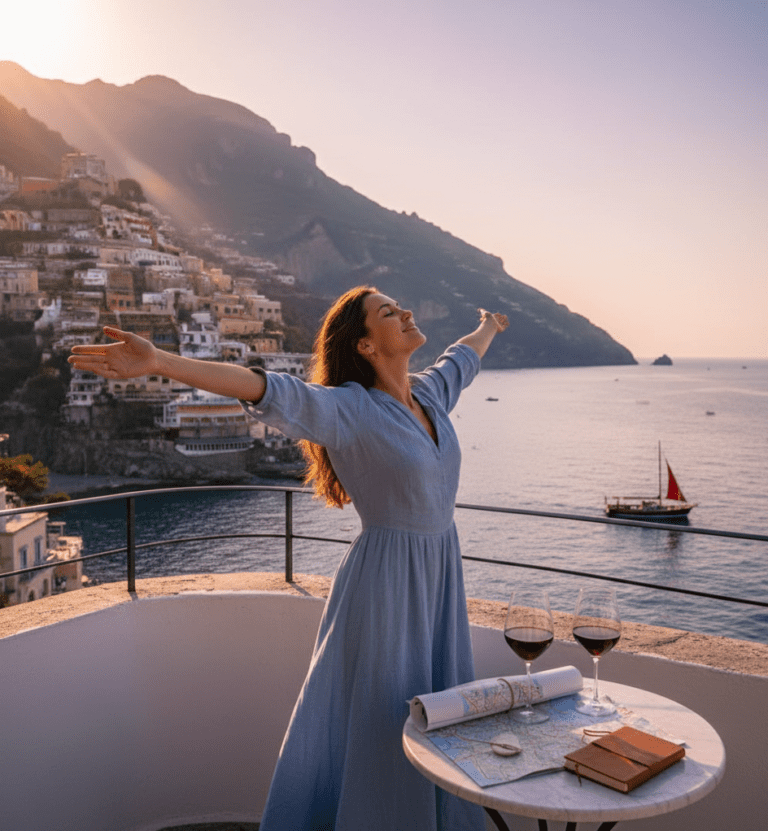
Finding beauty in Italy is never the problem. In summer, the real challenge for a corporate retreat is finding a setting that still feels controlled, private, and worth the investment once the season reaches full speed.
That is particularly true in Sardinia and Puglia, two of the most desirable coastal regions in the country and two of the most effective for high-level group travel when handled correctly. Both deliver a strong sense of place. Both can host exceptional executive gatherings. But they do so in very different ways, and in July and August, the difference between a polished retreat and a visibly strained one often comes down to one question: is the experience merely attractive, or is it truly protected from peak-season friction?
For corporate planners, that distinction matters more than ever. A summer retreat is rarely just about accommodations and scenery. It is about flow. Arrival experience, confidentiality, timing, social energy, private networking, branding opportunities, and the ability to move a group through a busy destination without making that complexity visible to guests. In Italy’s high season, privacy is not a decorative extra. It is the framework that allows the event to feel calm, elevated, and intentional.
Why privacy becomes the real luxury in summer
July and August transform the Italian coast. What feels serene in late spring can become intensely social at the height of summer, especially around Ferragosto, the national holiday on 15 August, one of the clearest markers of Italy’s peak holiday season.
That does not mean summer corporate retreats should be avoided. It means they should be designed with a different logic. In the high season, the goal is not simply to “book a beautiful place.” It is to secure a protected environment within a beautiful place, whether that means a partially or fully privatized beach club, a masseria with a dedicated lido, an estate with strong internal event spaces, or a hotel whose access points and service model can absorb a large group discreetly.
This is where many international planners misread Italy. The country is deeply experienced in hospitality, but coastal summer hospitality is also highly rhythmic and local. Beaches fill according to habits that Italians know instinctively. Roads slow at predictable hours. Social life shifts later into the evening. Suppliers operate around a season that is both glamorous and compressed. A successful event works with that rhythm rather than fighting it.

Sardinia: high-impact retreats with marine access
For corporate groups that want immediacy, visual impact, and a strong sense of arrival, Sardinia remains one of the clearest luxury choices in Italy. The Costa Smeralda is still the island’s most recognizable high-end enclave, and Sardinia’s official tourism channels continue to frame it as the island’s most glamorous coastal destination, with Porto Cervo at the center of that image.
What makes Sardinia especially effective for corporate retreats is not just the scenery, but the infrastructure around seaborne movement and high-end access. Sardinia’s tourism board highlights the scale of its nautical infrastructure, noting around 20,000 moorings, 130 landing places, and roughly 2,000 kilometers of coastline, which helps explain why marine transfers are not simply a visual flourish here, but often a practical part of event design.
Costa Smeralda: when brand visibility matters
If the brief calls for strong impact, senior-level hosting, and a setting that feels unmistakably aspirational, Costa Smeralda often performs best. It is particularly well suited to leadership gatherings, investor hospitality, and executive events where visibility and polish are part of the message.
In this context, ancillary experiences can also become part of the retreat design. Some groups choose to extend networking beyond the hotel through private yachts and boats, using sunset charters for informal conversation, client entertainment, or leadership-only moments at sea. Others may prefer VIP arrival solutions via jets and helicopters, especially when guest timing is tight and discretion matters.
Ground movement can be elevated just as thoughtfully. For high-touch arrivals, curated transfers with luxury cars can reinforce the tone of the event from the outset, while selective use of vintage cars can work beautifully for smaller incentive groups or closing-day experiences with a more distinctive, celebratory feel.
In practice, Sardinia works best when planners think in terms of controlled nodes rather than open exploration. A retreat may be anchored by one resort, one marina access point, one event-ready beach environment, and one evening venue with reliable transfer timing. This reduces exposure to road congestion and preserves the sense that the group is moving through a private circuit rather than through public summer crowds.
South Sardinia: more space, less theatre
For some companies, Costa Smeralda can feel too performative. In that case, southern Sardinia, including the wider areas around Pula and Chia, often offers a better balance. The atmosphere is still premium, but the visual language is less about yacht-culture signalling and more about landscape, sea, and space.
That matters for groups that want beach-based activities, wellness elements, or more informal social time without losing standards. South Sardinia can be particularly effective for retreats that need breathing room: branded daytime activations, private beach dinners with a less staged mood, or leadership sessions that should feel restorative rather than hyper-visible.
Puglia: estate-led hospitality and slower social rhythm
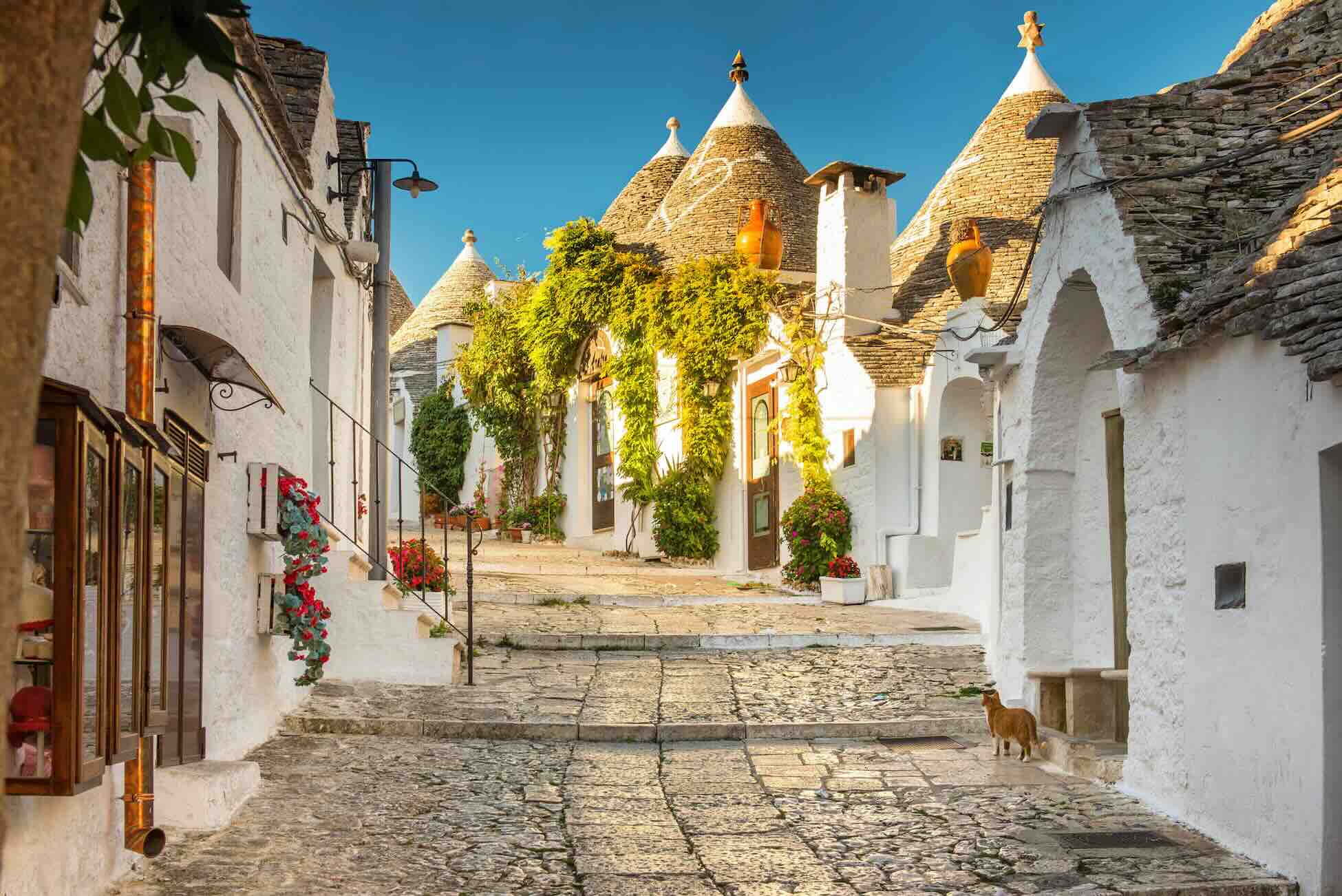
If Sardinia is often chosen for impact, Puglia is often chosen for texture. The region offers a different kind of luxury, one built less around spectacle and more around architecture, food, land, and a slower rhythm of hosting. This is why it works so well for corporate groups seeking connection rather than display.
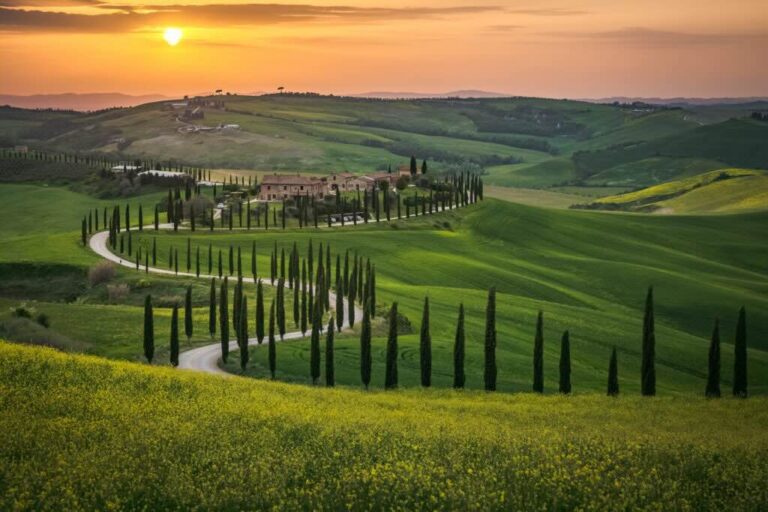
The strongest model in Puglia is rarely a coast-only strategy. It is usually what might be called an estate-led retreat, where the event is rooted in a masseria or large private property inland or near the sea, with beach access integrated as one part of the experience rather than the entire experience.
Savelletri and Val d’Itria: the masseria-to-lido model
This is where Puglia can be exceptionally strong. In the Savelletri, Fasano, and Val d’Itria orbit, some of the region’s leading properties combine estate hospitality with access to organized beach facilities. That creates a rhythm that feels very natural for corporate retreats: mornings for strategy sessions, late afternoons by the sea, and evenings back at the estate for dining, performance, or a highly private celebration under the olive trees.
Puglia also lends itself especially well to softer, place-led experiences that enrich the program without making it feel overproduced. Private cooking classes are one of the most effective examples. They work well for mixed groups, encourage interaction across teams, and feel rooted in the destination rather than imported into it. When handled at the right estate, they can be elegant, warm, and surprisingly useful as a relationship-building format.
For smaller leadership circles or top-performer add-ons, scenic hot air balloons can introduce a memorable sense of occasion, while curated jeep tours through the countryside can add a more active element without losing the regional identity that makes Puglia so attractive in the first place.

Salento: when the group needs sand and scale
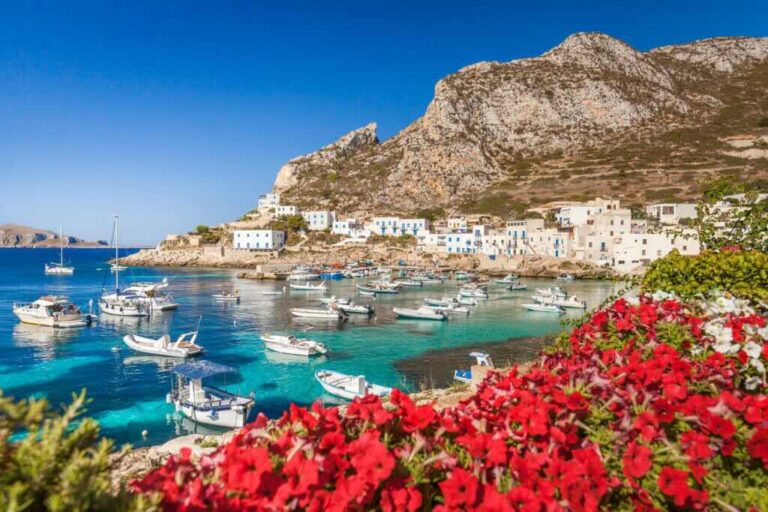
When a retreat needs broader beaches, more room for movement, and a softer, more relaxed beach environment, Salento becomes especially relevant. Puglia’s official tourism channels describe the area as a land between two seas, with Ionian Salento particularly associated with golden, sandy stretches, while the Adriatic side offers a more varied and often rockier coastal character.
That distinction is useful for planners. If the event concept includes sand-based social programming, active team-building, or a less formal beach aesthetic, the Ionian side often offers better conditions. If the brief leans more toward elegant dinners by the sea, a more architectural atmosphere, and easier pairing with inland estates, the Adriatic side around Savelletri can be stronger.
Sardinia or Puglia: how to choose
The choice is rarely about which region is “better.” It is about which region is more aligned with the event’s purpose.
Choose Sardinia when the retreat needs sharper impact, easier private-air access through Olbia, stronger marine transfer logic, and a more visibly high-end coastal identity. Sardinia is often the right answer for companies that want the event to feel immediate, elevated, and unmistakably premium from the first arrival.
Choose Puglia when the retreat needs atmosphere, a stronger sense of local hosting, estate-based privacy, and a format that blends work, dining, and social time more organically. Puglia is often more persuasive when the goal is genuine connection, thoughtful leadership time, and a luxury experience that feels grounded rather than performative.
How to protect privacy during peak season
The most elegant corporate retreats in Italy are not the ones that try to outcompete summer crowds in real time. They are the ones that neutralize friction before guests ever see it.
That usually means securing key components well in advance: the right room inventory, dedicated transport windows, structured arrival choreography, and venues where the group has meaningful control of space. In July and August, partial exclusivity is often not enough. If privacy is central to the brief, planners should think in terms of buyouts, semi-buyouts, private terraces, dedicated beach areas, and estates whose internal event life is strong enough that the retreat never depends on public access behaving smoothly.
It also means designing around the Italian day rather than against it. Midday is often the least elegant moment to force large-group beach activity in peak season. The more sophisticated rhythm is usually the opposite one: meetings and workshops in cool, controlled interiors during the hottest part of the day, then sea-facing social time later, when the light softens and the destination begins to feel like itself again.
What on-ground management actually changes
This is where a luxury event is either protected or exposed.
On paper, two retreats may have the same category of hotel, the same coast, and the same budget. On the ground, they can feel completely different. The difference lies in whether someone is managing the invisible layer: delayed arrivals, imperfect transfer timing, shifting weather, local event permits, technical backup, security positioning, supplier sequencing, and the pacing of the guest experience from one touchpoint to the next.
In Italy, that local layer matters enormously. Even the best summer venues remain part of a living environment, with local traffic patterns, patron saint celebrations, variable coastal access, and supplier ecosystems that reward experience. A retreat feels luxurious not when nothing changes, but when changes happen without disturbing the guest experience.
Frequently asked questions
What makes a corporate retreat successful?
A successful retreat creates the right balance between purpose and ease. Guests should understand why they are there, but they should never feel over-scheduled or operationally managed. In Italy, the best retreats combine strong setting, excellent food, private time for conversation, and a flow that feels natural rather than mechanical.
What are good corporate events in Italy during summer?
The strongest formats are the ones that use Italy’s sense of place well: executive retreats, leadership off-sites, incentive-style gatherings, client appreciation weekends, brand immersions, and strategy meetings paired with high-quality dining and curated coastal experiences. Generic entertainment travels poorly; setting-led experiences work far better.
What themes work well for a summer corporate retreat?
The most effective themes are usually experiential rather than decorative. In Sardinia, this may translate into sea-led programming, with private yachts and boats, VIP arrivals via jets and helicopters, or curated transfers with luxury cars. In Puglia, the same logic often takes a more grounded form, from estate-hosted cooking classes to countryside jeep tours or sunrise hot air balloons for selected guests.
What is trending in luxury corporate events?
The strongest trend is away from scale for its own sake and toward more intentional, high-value gatherings. Companies are increasingly prioritizing partial or full buyouts, better privacy, wellness and leadership hybrids, stronger culinary identity, and events that feel anchored in a destination rather than replicated from one country to the next.
Which region is better for groups of 100 or more?
Sardinia often handles larger luxury groups more easily when air access, marine logistics, and high-impact hosting are priorities. Puglia can absolutely work at that size, but it benefits from more deliberate choreography between estate, coastline, and transport.
How should guests arrive?
For Sardinia, Olbia is particularly strong when the group mix includes private aviation, thanks to its dedicated 24/7 private terminal. For Puglia, Bari and Brindisi remain the key airport gateways for commercial access to the region.
Evaluating summer 2027 options?
The smartest summer retreats in Italy are rarely the ones built around what is still available. They are the ones shaped early enough to secure the right kind of privacy.
If the brief is high-value, guest-sensitive, and brand-exposed, the conversation should begin with the event environment before anything else: what must feel private, what should feel social, what must be protected from seasonal friction, and whether Sardinia or Puglia supports that balance more convincingly.
Because in Italy, especially in summer, the most memorable corporate retreat is not the one with the most beautiful coastline. It is the one that allows your guests to experience that coastline as though it had been arranged for them.