Spring team building in Italy: creative retreats among blossoms and vineyards
Planning a spring team building in Italy means timing your corporate gathering to coincide with the country’s most generous season. The hills turn an almost improbable green, wisteria cascades over stone walls, and the temperatures settle into that narrow band where executives can brainstorm on a terrace without reaching for sunscreen or an overcoat. Yet there is more to a successful spring retreat than scenery. Between moveable feasts like Easter and fixed national holidays, Italy’s April and May calendar requires the kind of forward planning that separates a seamless incentive trip from a logistical headache.
This guide walks you through the strategic and sensory considerations of organizing a corporate retreat in Italy during spring. We examine the calendar, the climate, the regions and, above all, the activities that transform a work trip into an experience your team will reference for years.
Why spring is the smartest season for team building in Italy
Summer in Italy is glorious for holidaymakers, but it poses real challenges for corporate groups. July and August bring temperatures above 35°C (95°F), making outdoor team building uncomfortable or outright risky. Italians themselves escape to the coast around the Ferragosto holiday in mid-August, leaving some services shuttered. Winter, meanwhile, shortens daylight and limits al fresco options.
Spring occupies the Goldilocks window. According to ENIT (Italy’s National Tourism Agency), April and May offer average temperatures between 18°C and 24°C (65–75°F), ideal for rallies, sailing regattas, walking tours and open-air dinners. Hotel availability is broader, rates are more favorable than in peak season, and venues have the bandwidth to customise programs without the summer squeeze. The Virtuoso Luxe Report 2025 confirms a growing preference among high-net-worth travelers for shoulder-season experiences that combine exclusivity with comfortable conditions.
For companies that observe the Jewish calendar, spring offers an additional dimension. Passover typically falls in April, and many organizations appreciate Italy’s well-established kosher dining options in cities like Rome, Florence and Venice. Planning around these dates ensures that dietary needs and cultural observances are respected without friction, adding another layer of inclusivity to the retreat.
Spring 2026 planning calendar: Italian holidays and how to use them
If you’re designing an April or May program, the calendar matters as much as the itinerary. Italy’s public holidays shape everything from staffing levels and restaurant availability to highway traffic and airfare patterns. Here are the key dates for 2026:
Date (2026) | Holiday | Impact on Corporate Groups |
Apr 5 (Sun) | Easter Sunday | Reduced staffing in some services; family travel patterns increase domestic tourism |
Apr 6 (Mon) | Easter Monday (Pasquetta) | Day-trip traffic spikes; premium restaurants in high demand |
Apr 25 (Sat) | Liberation Day | Regional travel peaks if paired with PTO days; limited “bridge” effect in 2026 |
May 1 (Fri) | Labor Day | Built-in long weekend; hotel sell-outs and higher air/rail demand nationwide |
The Italian concept of the “ponte” (literally “bridge”) is essential to understand. When a holiday falls on a Tuesday or Thursday, many Italians take the extra day off to create a four-day weekend. In 2026, May 1 falls on a Friday, creating a natural long weekend that floods highways and fills hotels. Corporate planners should book venues at least nine to twelve months in advance for these periods, or strategically schedule retreats in the weeks that bookend the holidays.
The weather variable: elegance meets contingency planning
There is an Italian saying: “Aprile non ti scoprire”: “don’t shed your layers in April”. The advice is sound. Spring weather in Italy is beautiful but changeable. Mornings may dawn with mist over Tuscan cypresses, give way to a balmy 24°C afternoon, and close with an evening that dips to 10°C once the sun sets behind the hills.
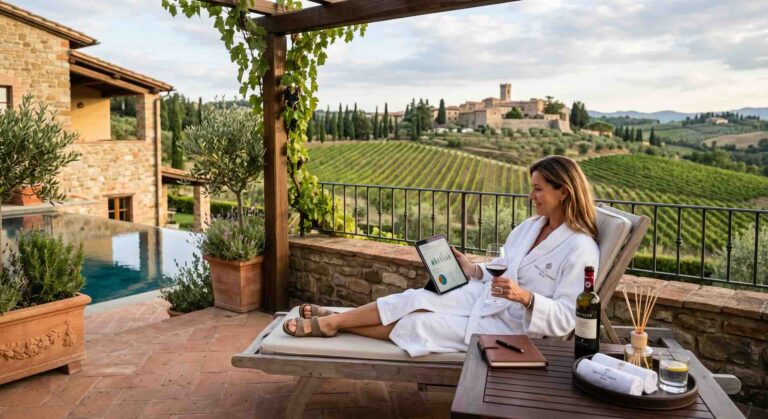
For event planners, this means two things. First, every outdoor element of your program needs a Plan B that is equally luxurious. A welcome cocktail on a villa terrace should have an alternative in a glass-enclosed limonaia or a frescoed loggia, not a generic marquee on the lawn. Second, brief your guests on Italy’s layering culture: breathable linen for daytime activities, a structured blazer or cashmere wrap for evening events. This seemingly small detail prevents discomfort and keeps conversations flowing.
Best Italian regions for a spring corporate retreat
Italy’s diversity means that a retreat near the Dolomites feels nothing like one on the Amalfi Coast. Here are four regions that perform consistently well for spring team building:
Tuscany: borgos, vineyards and the art of slow collaboration
Tuscany remains the benchmark for corporate retreats in Italy, and spring is its finest hour. The vineyards are lush but not yet scorched, the olive groves are in flower, and the cultural calendar bursts with festivals. Venues range from exclusive-use borgos sleeping 70–100 guests to intimate wine estates with their own restaurants. Pisa and Florence airports sit within 60–90 minutes of most properties, and the region’s winding roads practically beg for a curated Vespa rally or vintage-car drive.
Lake Como and Lake Garda: water, mountains and effortless logistics
The Italian lakes offer a striking backdrop for team building, with mountains plunging into water and Belle Époque villas framing every view. Lake Garda’s resorts are well-equipped for groups of 100+ participants, bus logistics are straightforward, and activities such as team sailing regattas, kayaking and lakeside aperitivi are easy to arrange. Lake Como, while more intimate, excels at executive-level retreats in historic properties with private docks and gardens. Verona, Bergamo and Milan airports provide excellent international connectivity.
Sicily: raw energy and sensory immersion
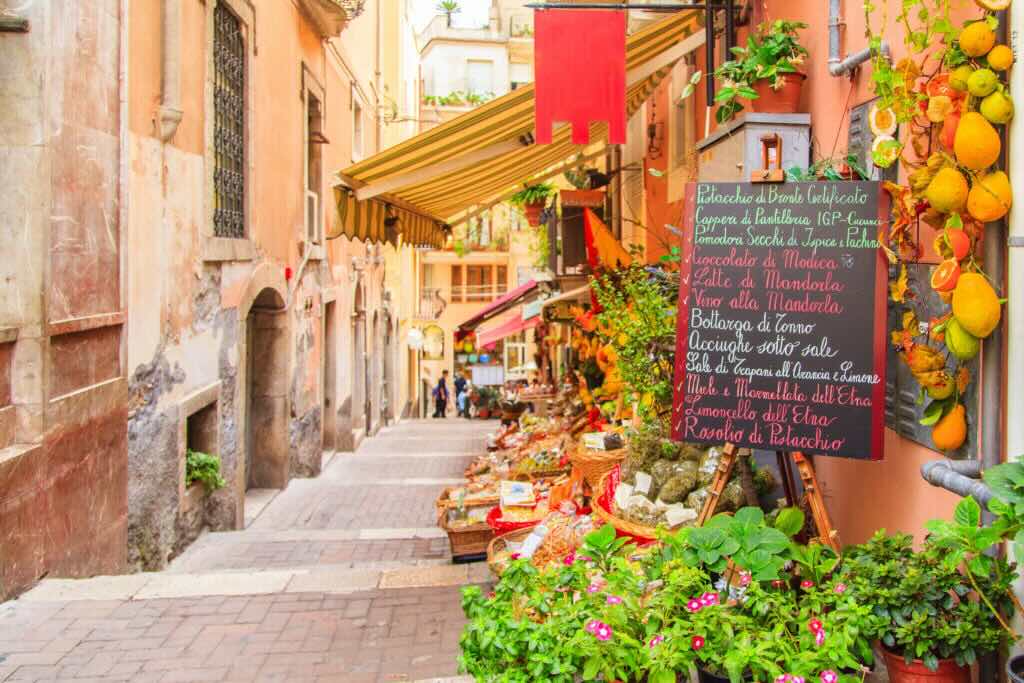
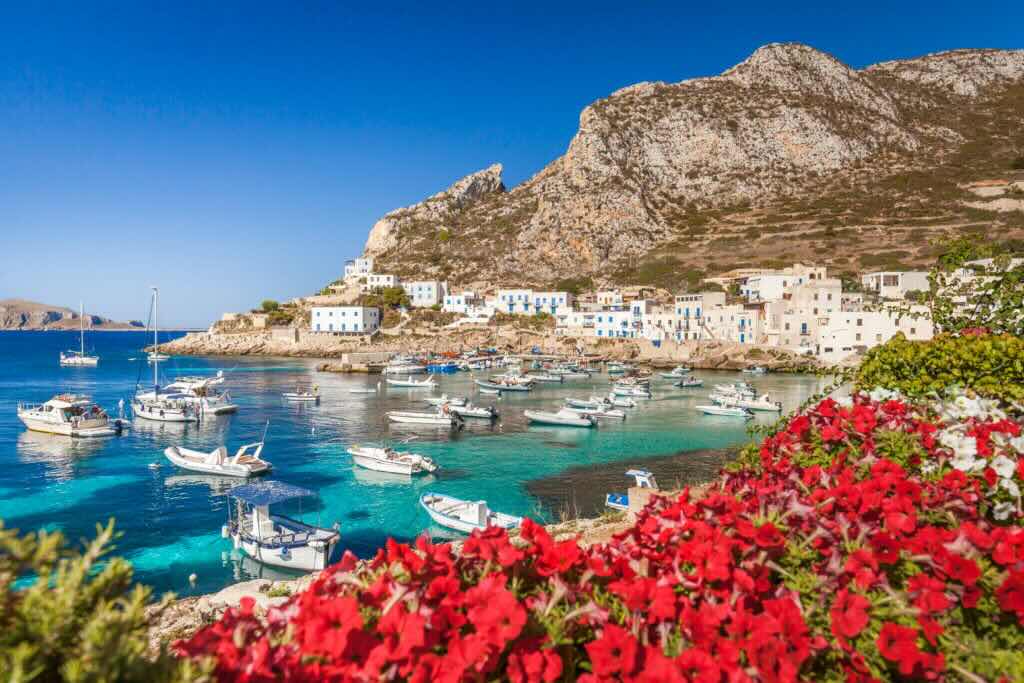
For teams that crave authenticity over polish, Sicily delivers. Imagine a Jeep excursion on Mount Etna’s lower slopes in April, when wildflowers carpet the volcanic terrain, followed by a street-food challenge through Catania’s markets. Coastal towns provide venues with expansive outdoor areas perfect for evening programs under the stars. Catania and Palermo airports connect easily to major European and US hubs.
Rome and Lazio: history meets modern event design
Rome is ideal for international teams who want cultural gravitas alongside modern infrastructure. A rooftop aperitivo with views of the Forum Romanum or St. Peter’s Basilica is the kind of moment that makes a retreat memorable. For large groups, venues outside the ZTL (restricted traffic zone) offer bus access and private outdoor areas for dinners and networking. The surrounding Lazio countryside, with its castelli and olive groves, adds a pastoral counterpoint to urban intensity.
Creative spring team building activities that feel Italian and truly luxe
The most effective team building activities are those that feel like shared discovery rather than forced fun. Spring’s mild climate unlocks Italy’s full outdoor repertoire while still allowing elegant indoor alternatives. Here are experiences that consistently perform well for premium corporate groups:
- Private Winery Tour and Tasting
Tuscany and Piedmont offer the ideal setting. Teams embark on an exclusive tour led by a sommelier through the vineyards and historic cellars, culminating in a guided tasting of the finest labels. It’s an opportunity to savor authenticity and history, in an environment where the Sangiovese shoots are just beginning to open under the spring sun.
- A Star-Studded Gala Dinner or Interactive Culinary Experience
Reward your team with a memorable culinary experience. Options include an unforgettable evening of high-end gastronomy at a Michelin-Starred Restaurant, or an exclusive, high-energy Chef-Led Cooking Class. In this interactive experience, teams will learn authentic Italian dishes from a renowned chef, fostering immediate collaboration and communication.
- Artisan workshops in Florence or Venice
Private sessions with master craftsmen offer depth that no generic “escape room” can match. Think leatherwork in a Florentine bottega, mosaic-making on a Venetian island, perfume blending in a Renaissance pharmacy, or paper marbling using techniques unchanged since the 15th century. These workshops are ideal for executive groups who value learning and legacy over games.
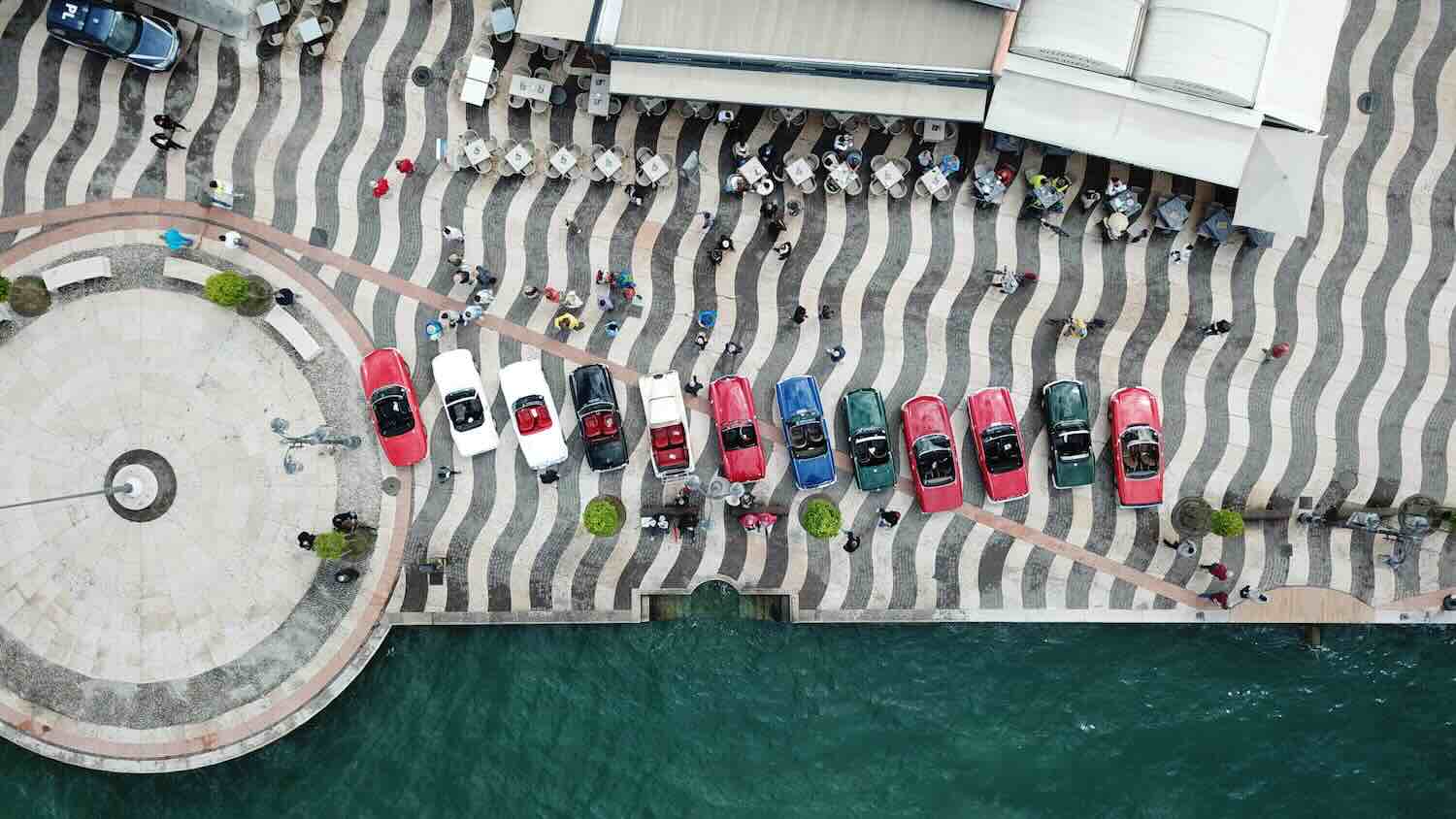
- Scenic rally experiences: Vespa, vintage car, e-bike
A curated route through Chianti or the Amalfi Coast, punctuated with checkpoints that include tastings, micro-challenges, photo prompts and a surprise final reveal. The luxury lies in the pacing, the access to private estates along the way, and the details: a sommelier waiting at a hilltop chapel, a picnic assembled by a Michelin-trained chef in a meadow overlooking the sea.
- Lake or coastline “regatta lite”
Team sailing with professional skippers, designed for mixed ability levels. On Lake Garda or the Ligurian coast, this becomes communication training disguised as an unforgettable afternoon. Spring winds are steady and the water is calm enough for novices, yet there is enough challenge to keep competitive spirits engaged.
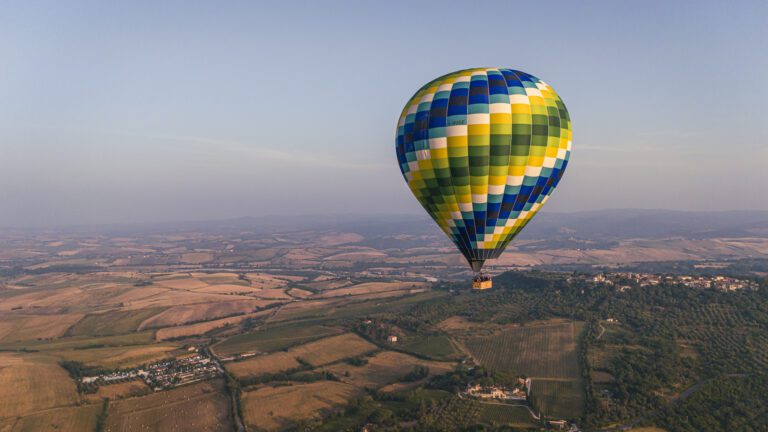
- Sunrise hot-air balloon flight over Val d’Orcia
As the basket lifts off, mist lingers in the valleys and the patchwork of vineyards and cypress groves unfolds beneath you. After landing, the group toasts the adventure with champagne and a gourmet breakfast. It is a moment designed to inspire metaphors about perspective, growth and shared ambition, exactly what a corporate retreat should deliver.
Frequently asked questions
What are the “Ponti” in Italy and how do they affect corporate travel?
“Ponti” occur when a public holiday falls on a Tuesday or Thursday, prompting Italians to take the extra day off and create a four-day weekend. The main spring dates are April 25 (Liberation Day) and May 1 (Labor Day). During these periods, domestic tourism spikes, hotels reach full occupancy, and highway traffic is heavy.
Is it safe to plan outdoor dinners in April in Italy?
Yes, with a contingency plan. April evenings can be magical, but temperatures drop quickly after sunset, often to 10°C (50°F). Always ensure your venue has an indoor alternative and consider renting patio heaters (known locally as “funghi”) if dining al fresco.
What is the “City Tax” for corporate groups?
Just like individual travelers, corporate groups must pay the tassa di soggiorno. It ranges from €5 to €10 per person, per night, depending on the city and hotel star rating. It is rarely included in the initial quote and should be budgeted separately.
Why is spring better than summer for team building in Italy?
Summer (July and August) in Italy sees temperatures above 35°C (95°F), making active outdoor team building uncomfortable or risky. Spring offers the ideal climate window (18–24°C / 65–75°F) for rallies, sailing, walking tours and al fresco events, while allowing executives to wear business-casual attire comfortably throughout the day.
Can you accommodate kosher dietary requirements during a spring retreat?
Absolutely. Italy’s major cities, particularly Rome, Florence and Venice, have well-established kosher restaurants and catering services. Passover often coincides with the spring retreat window, and experienced DMCs like Solo Italia Travel coordinate with certified kosher providers to ensure every meal meets the required standards without compromising on the gourmet experience.
How far in advance should we start planning?
For exclusive-use buyouts and top-tier venues, we recommend starting 9–12 months in advance. Finalize contracts, program modules and transfers at the 6–9 month mark. Confirm menus, detailed logistics and weather contingency plans 3–6 months out.